The Global Animal Mortality Project
Project Background and Goals
Global biodiversity loss is accelerating, yet the mechanisms driving species’ declines remain poorly understood. This gap arises because most biodiversity monitoring efforts typically track patterns such as species distributions and abundance trends, but rarely identify the underlying processes driving those patterns. Without mechanistic understanding of these demographic processes, such as reproduction or mortality, we cannot diagnose why populations decline nor can we develop conservation actions that target the underlying causes.
The Global Animal Mortality Project, led by Ruth Oliver at UC Santa Barbara and Scott Yanco at the Smithsonian’s National Zoo and Conservation Biology Institute, will directly tackle this challenge by building a worldwide database of high-resolution animal tracking data paired with mortality outcomes. This database would be a first-of-its-kind community resource to support cutting edge research at the intersection of ecology and biodiversity conservation.
Seeking data contributions!
We are actively building the database and seeking data contributions. Below you can learn more about our data requirements and collaboration model - if you have data that you’d like to contribute please email us at wildlife-mortality-project@bren.ucsb.edu
Data Requirements
The current phase of data mobilization is focused on terrestrial GPS tracking data paired with field-validated mortalities. “Field-validated mortalities” means that any observed mortalities in your dataset were verified on-the-ground in some way (i.e., not simply inferred from biologging data alone). Datasets where researchers could have observed field-validated mortalities but did not because no animals died are welcome!
If you are ready to share data with the project, first, thank you! Second, please email us at wildlife-mortality-project@bren.ucsb.edu and our staff data scientist will work directly with you to start the process!
Future phases of this project will expand this scope, beginning with accelerometer-based (remotely-derived) mortality information paired with high-resolution tracking data. If you have data that doesn’t meet the current data entry requirements, but may be useful for future phases, please register your interest here.
Collaboration model
Our team has extensive experience both deploying tags in the field and leading large-scale collaborative projects with contributed data. As such, our collaboration model is designed to be transparent and inclusive while respecting the needs of individual data providers. We will never re-share or make your data public without your permission and we will always seek your permission before using those data for any project. Any projects resulting in publication will include data provider teams as authors. If you have any questions about our collaboration model, please do not hesitate to reach out to us!
Current activities
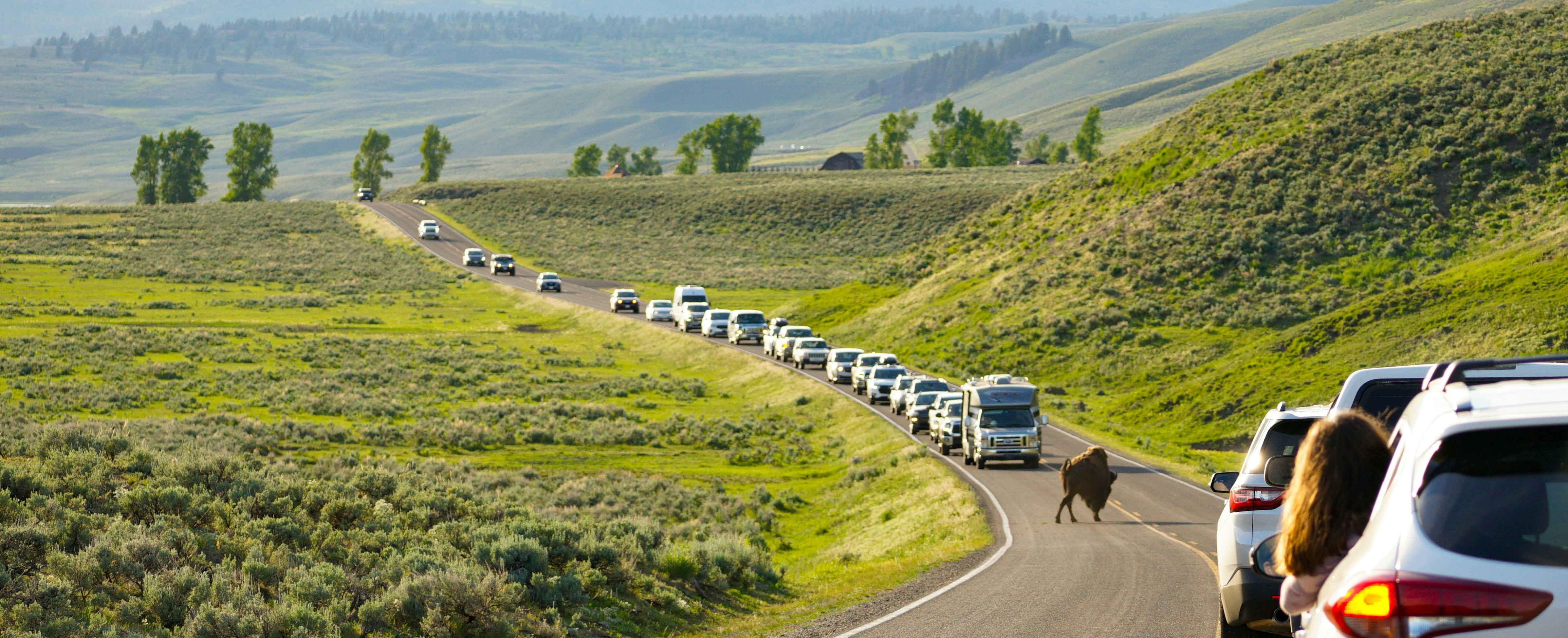
We have already begun to develop an initial slate of sub-projects that will leverage this database to ask the following questions:
1 - How do behavioral responses to human activities affect mortality risk? |
2 - Do human activities have indirect effects on mortality risk? |
We expect to open this resource up to community-driven proposals for new sub-projects. We are actively working to develop an equitable process for considering these proposals and will share more details as that develops. In the meantime, if you have an idea to leverage this database, please reach out to us directly.

Data sources at a glance
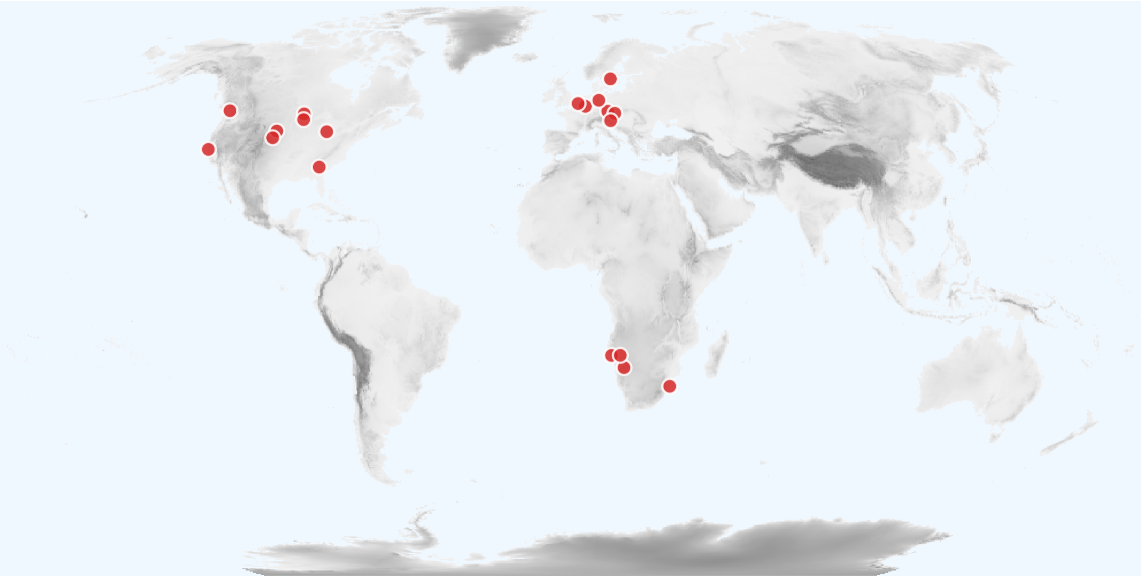
Our growing database includes wildlife movement data and mortality information from all around the globe. Here’s a map of the studies currently included in our project - we aim to increase our coverage to every continent.
Our team
Read more about our team’s previous work using high-resolution tracking data to understand anthropogenic impacts on wildlife and highlighting the importance of understanding demographic processes to inform conservation and ecology:
| Question | Publication |
|---|---|
| How does human presence affect animal movements and habitat use? | Interacting effects of human presence and landscape modification on birds and mammals (Oliver, Yanco et al., Science) |
| How can tracking data reveal the drivers of species loss? | Tracking individual animals can reveal the mechanisms of species loss (Yanco, … Oliver, TREE) |
| How can we generate causal understanding of what causes animal mortality? | A framework for understanding how and why animals die (Beltran, Yanco, Oliver, Kilpatrick, in review) |
| How do migratory birds synchronize environmental experiences with major life history events? | Migratory birds modulate niche tradeoffs in rhythm with seasons and life history (Yanco, Oliver, et al. PNAS) |